
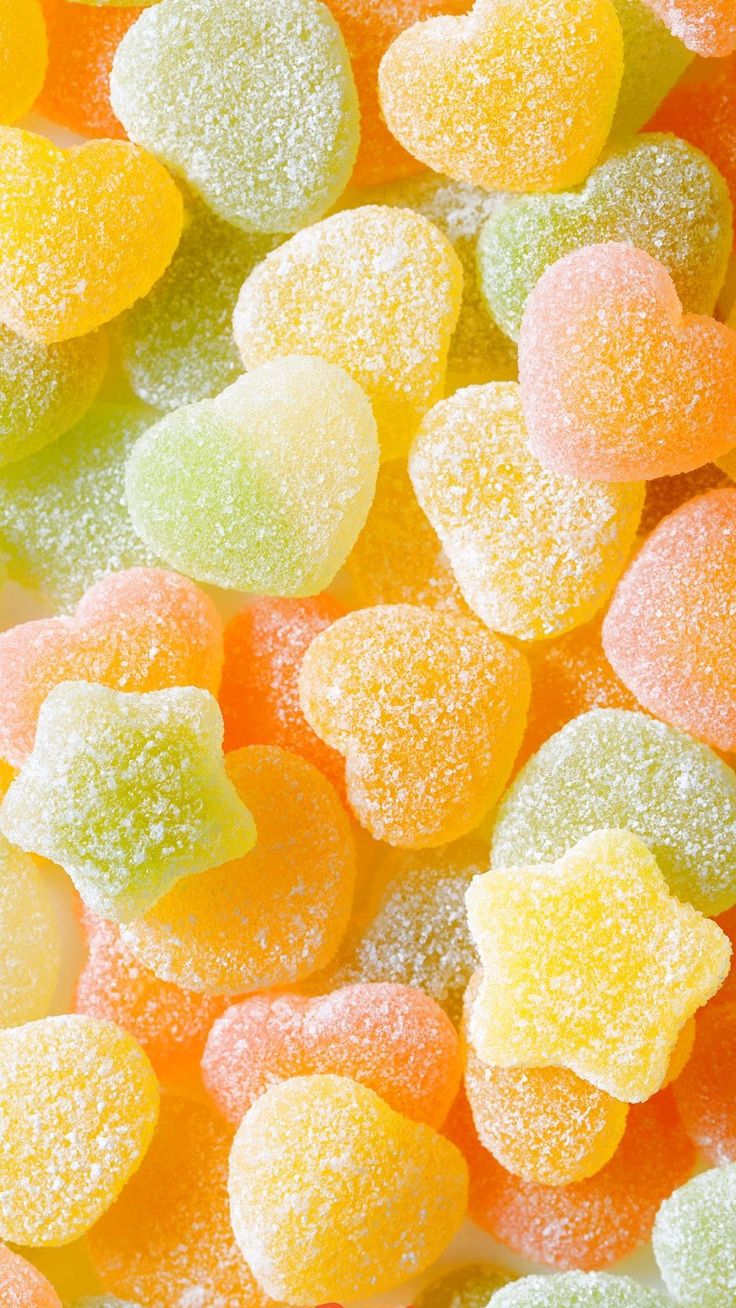
Confectionery covers a wide range of products, from clear hard candies and translucent gummies to opaque coatings, frostings, chewing gum, chocolate pieces and fruit preparations. Each format creates a different environment for color. Heat, sugar concentration, acidity, water activity, fat, proteins and processing time can all change the visible result. For this reason, natural color selection should begin with the candy process, not with a general request for red, yellow, blue or green.
Match Solubility to the Candy System
Water-soluble colors are often suitable for gummies, jellies, hard candies and syrups, while chocolate and fat-based coatings may require oil-dispersible or specially prepared systems. A color that cannot spread evenly may create streaks, marks or breaks. When reviewing Natural Candy Color, developers should identify whether the ongoing step is water, fat or a mixed system. The desired level of transparency also matters because clear confections reveal haze that would be hidden in an opaque product.
Reproduce the Real Cooking Process
Hard candy can involve high temperatures, while gummies and jellies may expose pigments to cooking, acid addition, cooling and extended holding. The stage at which coloring is introduced may cause variation and instability. Early addition can make for higher thermal exposure, whereas late addition can cause mixing problems due to increased viscosity. The temperature, hold time, solids level, mixing speed and order of addition should be recorded on pilot trials. These details are essential when the process is transferred to larger equipment.
Control Acidity and Flavor Interactions
Acids influence both flavor and color. Anthocyanin-based reds and purples can shift according to pH and some yellow or blue systems also have preferred operating ranges. The final acidity should be measured after the complete formula is prepared. Fruit flavors, juices, minerals and preservatives may change the system in ways that are not visible in a simple sugar solution. Color should be tested with the actual flavor because consumers expect the shade and flavor identity to agree.
Consider Storage and Surface Exposure
Candy may be exposed to light and oxygen through transparent bags, jars or wrappers. Hard panned products and coated pieces also experience abrasion during packaging and transport. A color that performs inside a gummy may not be suitable for an outer coating. Shelf-life tests should evaluate fading, bleeding, migration, cracking and surface wear. Humidity is another concern because moisture pickup can change texture and allow colors to move between layers or pieces.
Set Practical Production Standards
Successful candy food coloring depends on repeatable dosing and an agreed appearance standard. Highly unmixed colors need accurate weighing, mainly in small sets. Pre-dilution instructions should specify the liquid, temperature and mixing time. Production staff should compare finished candy under consistent lighting and at the same stage of cooling. A hot syrup can look darker than a fully set candy, so approval at the wrong stage may result in an incorrect final shade. Color should be reviewed not only inside the candy but also at cut surfaces, edges and contact points between components. These areas can show migration, bleeding or uneven dispersion in the process before it even happens in the final product. Early observation allows developers to adjust barriers, moisture or addition procedures before launch. The same checks can improve consistency across seasonal and limited-edition ranges.
Conclusion
Natural colors can perform successfully in confectionery when they are selected for the specific candy system and tested through the real production process. Solubility, cooking temperature, acid addition, mixing order, cooling, surface exposure and packaging all affect performance. Manufacturers should establish repeatable dosing procedures and objective appearance standards before routine production begins. Involving factory operators early can disclose handling issues that small laboratory trials may skip. Search Foodrgb.com; it provides natural color options and clear technical support for gummies, hard candy, coatings and more.