
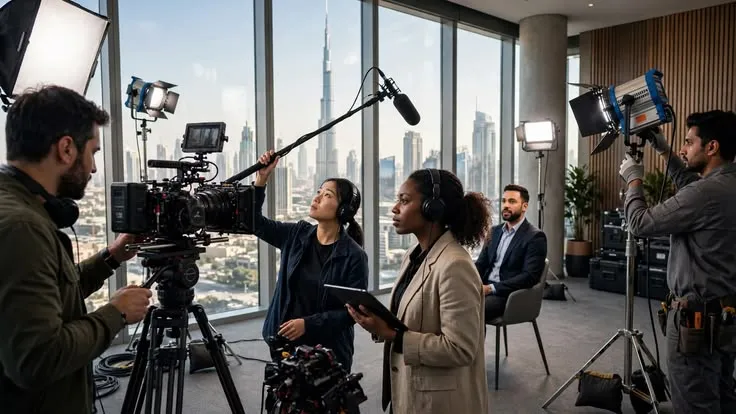
A single filming day can produce much more than one finished video, but only when the team plans for different audiences from the beginning. A brand may need a website film, short social clips, and a presentation video from the same interviews and locations. Without preparation, editors may discover that essential shots cannot fit a vertical frame or that speakers never gave complete answers. Producing several formats efficiently means deciding what each version should achieve, gathering adaptable footage, and organizing the editing process before cameras begin recording on location in Seoul.
Give Each Video a Distinct Job
Start by describing the audience and purpose of every deliverable. A website introduction might explain what an organization does, while a short social video could answer one frequently asked question. An event-screen version may need readable graphics and a structure that works without sound. Sharing footage does not mean sharing an identical script.
Write down the intended length, aspect ratio, language, and distribution platform for each version. Identify the main message and the person responsible for approving it. These decisions help the camera team prioritize shots and prevent late disagreements about what was promised.
Plan Framing for Horizontal and Vertical Screens
A widescreen interview may look excellent on a computer yet crop awkwardly when adapted for a phone. Keep important faces and actions away from the edges when multiple aspect ratios are required. Where the budget permits, record a few dedicated vertical shots instead of expecting editors to rescue every composition.
A pre-production agency in Seoul can help coordinate shot lists, scheduling, location scouting, and crew needs before filming. Tell the team exactly which versions are expected so it can allocate time for alternate angles, uncluttered backgrounds, and useful close-up footage.
Interview People for Complete, Reusable Answers
Short videos work best when an interview answer makes sense without a lengthy introduction. Ask open questions that encourage speakers to explain who they are, what happened, and why a detail matters. Follow up on unfamiliar expressions rather than assuming every viewer will understand the context.
Leave natural pauses between answers and record accurate names and job titles. Avoid pushing participants to repeat scripted claims that sound unlike their normal speech. Genuine examples and clear explanations give editors more options when creating shorter cuts while preserving the speaker’s actual meaning.
Treat Logistics as Part of the Creative Brief
Multiple formats can increase setup time. A second framing choice might require moving lights, changing camera orientation, or repositioning people. Build those steps into the schedule, along with travel, equipment checks, and breaks. Decide which shots are essential if a location becomes unavailable or an interview runs long.
International teams may hire a fixer in South Korea to support location communication, local scheduling, and practical coordination. Share the whole deliverable list with local collaborators rather than describing only the main film. That helps everyone understand why apparently small pickups or alternative compositions matter.
Organize Postproduction and Approvals Early
Create a consistent folder structure for interviews, supporting footage, music, graphics, and releases. Editors should know which material is approved for publication and which claims need checking. Agree on the number of feedback rounds and appoint one person to consolidate comments so competing revisions do not delay delivery.
Plan subtitles and captions for small screens, and verify that graphics remain readable in each aspect ratio. Export settings should follow the requirements of the intended platforms. Keep version names descriptive so the correct language, dimensions, and final approval status are easy to identify.
Capture Useful Footage Without Misleading Viewers
Before wrapping a location, collect a few clean establishing shots, practical details, and transitions that do not depend on a single line of dialogue. These images can help later versions feel complete rather than patched together. Record neutral introductions when appropriate, but do not strip away context that explains when an event took place. If footage is reused months later, avoid editing it to imply that an old scene is new. Keep accurate date and location notes, and check whether permissions cover each planned format. Reusability should increase efficiency without weakening the audience’s understanding of the story.
Conclusion
Turning one shoot into several useful videos takes more thought than simply cutting a long film into shorter pieces. Each version needs a purpose, suitable framing, clear interviews, and an editing workflow that respects its audience. Early planning also helps teams estimate the time and permissions involved, particularly on international assignments. When producers capture versatile footage without removing essential context, they can create consistent material for websites, presentations, and social platforms. The result is not a collection of duplicates but a set of videos that communicate the same story in appropriate ways.

