
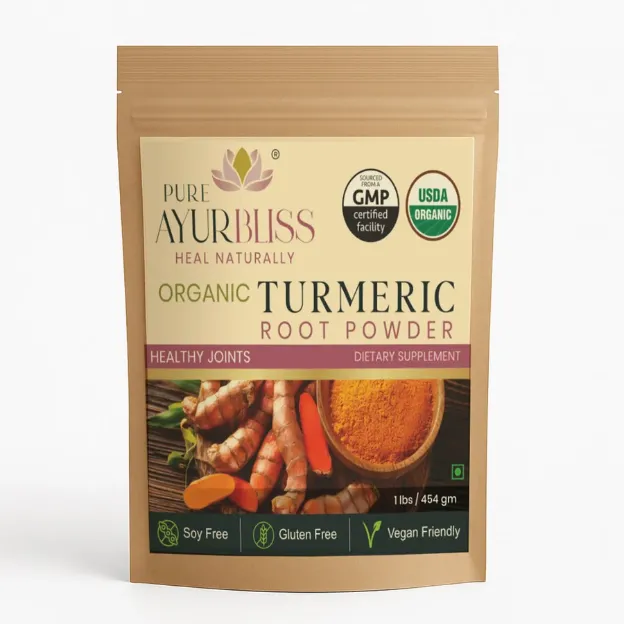
Choosing Ayurvedic herbs requires careful consideration of their ingredients, quality, sourcing, and preparation methods. With numerous herbal products available online, understanding what makes a product reliable can help consumers make informed purchasing decisions. Factors such as certifications, manufacturing standards, ingredient transparency, packaging, and seller credibility deserve attention before placing an order.
Whether you are exploring traditional herbs for everyday wellness or adding natural supplements to your routine, knowing what to check can make it easier to buy Ayurvedic herbs that match your preferences and expectations.
1. Check the Ingredient List Carefully
Start by reading the complete ingredient list rather than relying only on the product name or front label. Confirm that the botanical name, plant part, and form of the herb are clearly identified. Check whether the formula contains additional herbs, fillers, sweeteners, colours, flavours, or preservatives. If you have allergies or dietary restrictions, review every listed ingredient and contact the seller when information is unclear.
2. Look for Reliable Sourcing Information
The origin and handling of herbs can influence their quality. Look for details about where ingredients are grown, how they are harvested, and how suppliers manage storage and transport. Responsible sourcing information should be specific rather than relying on broad phrases such as natural or premium. Brands that explain their sourcing standards make it easier for customers to understand what they are purchasing and how product quality is approached.
3. Verify Certifications and Quality Testing
Product photographs can be useful, but they should not replace written specifications. Look for consistent details across the product description, packaging images, and frequently asked questions. If the botanical name or ingredient quantity changes between sections, ask the seller to clarify before ordering. This small check can prevent confusion about what is included in the pack. Also consider whether the product is a single herb or a combination, since blends require you to review each component and its stated amount. Keep order confirmations and batch details for future reference.
Certifications can help shoppers assess whether a product meets a defined standard, but each certification has a particular scope. Check the certifying organisation, the product or facility covered, and whether the certificate is current. Organic certification, for instance, relates to specified production and handling requirements; it does not automatically prove that a supplement is effective or suitable for everyone. Also look for information about third-party testing, identity checks, and screening for contaminants such as heavy metals, microbes, and pesticide residues.
4. Understand the Herb’s Form and Preparation
Ayurvedic herbs are sold in several forms, including powders, tablets, capsules, extracts, and traditional blends. Consider which format fits your routine and whether the preparation is clearly described. Powders may be mixed into food or drinks, while tablets offer a measured serving. Extracts can differ in concentration, so compare the stated amount and standardisation details instead of judging by package size alone.
5. Read the Label and Serving Instructions
A dependable product label should explain the ingredients, net quantity, serving size, suggested use, storage instructions, manufacturer or distributor details, batch information, and expiry or best-before date. Check whether the directions are easy to understand and whether warnings are provided. If the product is intended for a specific health concern, discuss its use with a qualified healthcare professional.
6. Consider the Herb’s Traditional Uses and Your Needs
Learn about the herb before adding it to your routine. Ayurveda considers individual constitution, lifestyle, digestion, and other personal factors when discussing herbal use. A popular ingredient may not be appropriate for every person or every goal. For example, turmeric is traditionally used in food and wellness preparations, and its curcumin content is often discussed in relation to antioxidant activity. However, product composition, amount consumed, and individual circumstances matter.
7. Review Claims About Benefits
When researching turmeric powder benefits, distinguish traditional uses from findings established by clinical research. Product descriptions may discuss antioxidant properties, joint comfort, digestion, or topical use, but these statements should not be interpreted as guarantees or as treatment for a medical condition. Be cautious of claims that promise instant results, cure diseases, replace prescribed medicines, or work equally for everyone.
8. Check Safety Information and Possible Interactions
Natural does not automatically mean risk-free. Herbal products can cause side effects or interact with medicines and other supplements. People who are pregnant, breastfeeding, preparing for surgery, managing a health condition, or taking prescription medicines should seek professional advice before use. Turmeric and other herbs may not be suitable in certain circumstances, depending on the dose and a person’s health history.
9. Assess the Seller’s Transparency and Reputation
Before placing an order, check whether the seller provides clear contact details, customer support, shipping information, and return or refund terms. Read customer reviews critically, looking for useful comments about packaging, freshness, delivery, and service rather than relying only on star ratings. Be alert to copied reviews, unclear business details, and pressure-based sales tactics.
10. Compare Packaging, Storage, and Value
Packaging should protect herbs from light, air, moisture, and contamination. Check whether containers are sealed properly and whether resealing is possible after opening. Follow storage directions, since heat and humidity can affect freshness. Compare products by ingredient quality, quantity, serving information, testing, and packaging rather than choosing the lowest price. Check shipping costs and delivery estimates before confirming the purchase.
Conclusion
Selecting herbal products thoughtfully involves checking more than attractive packaging or popular claims. Ingredient details, sourcing practices, quality checks, clear directions, safety information, and trustworthy customer support all deserve attention. Compare these factors before making a purchase, and seek professional guidance when needed. With informed choices and realistic expectations, you can confidently buy ayurvedic herbs that align with your preferences and wellness routine.
Rooted in traditional Ayurvedic knowledge, the brand focuses on natural ingredients and holistic wellness solutions. PureAyurBliss brings Ayurvedic tradition into modern wellness through herbal supplements in tablet and powder forms, including Amla, Ashwagandha, Brahmi, Shatavari, Triphala, and turmeric. Their offerings include organic wellness products, botanical skincare. Explore their product range and learn more about their approach to quality, sourcing, and holistic well-being for more informed everyday wellness choices.