
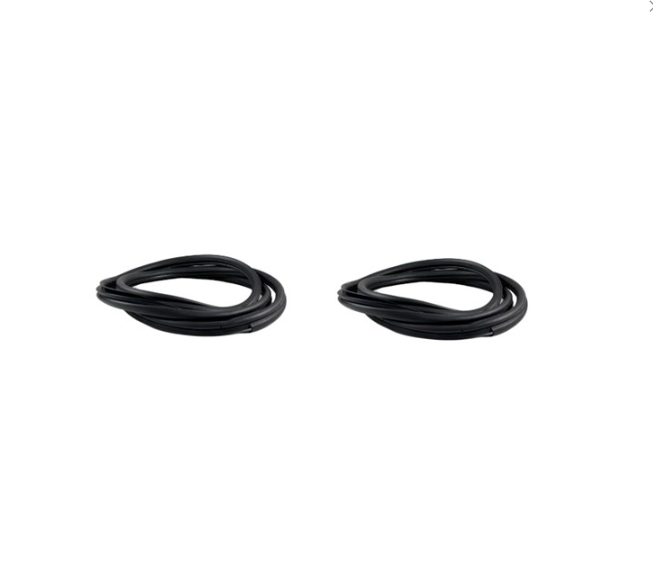
Even labeled sheets can mislead. EPDM extrusions stretch, compress, or shrink depending on temperature and pressure. ABS extrusions feel rigid at first, but flex slightly under unexpected stress. Designers often plan based on idealized specs. On the floor, minor variations appear quickly. Operators notice bulges, gaps, or alignment shifts that machines alone don’t correct.
Temperature changes impact daily performance
Heat affects polymers in subtle ways. EPDM extrusions expand and soften under warm conditions, while cold stiffens them unpredictably. ABS extrusions can warp under uneven heating or stress. Adjusting presses or cutting tools daily becomes routine rather than optional. Teams adapt slowly, learning quirks through repeated cycles instead of manuals.
Extrusion speed changes outcomes quietly
Faster line speeds seem productive, but material reacts differently. EPDM extrusions may stretch more and bounce slightly during handling. ABS extrusions may crack or misalign when pulled too fast. Operators reduce speed occasionally to prevent minor flaws, even if charts show theoretical capacity. It’s a balance between throughput and maintaining tolerances.
Tooling and die design matter more than advertised
Even small die wear affects EPDM extrusions’ uniformity. Slight burrs or rough edges cause surface imperfections. ABS extrusions develop edge chatter if the tooling isn’t perfectly aligned. Teams spend more time adjusting dies than many manuals suggest. Proper maintenance and small tweaks often improve quality more than speed or pressure increases.
Storage and handling influence long-term stability
Stacking, bending, or resting extrusions for too long can create memory effects. EPDM extrusions may not return fully to their original shape after compression. ABS extrusions can develop small bends or minor surface scratches during transport. Awareness of storage methods prevents subtle issues before they appear in final assembly.
Cleaning routines affect consistency subtly
Residue buildup affects polymer surfaces. EPDM extrusions attract dust and lubricants that change friction slightly. ABS extrusions may accumulate fine debris that impacts assembly. Regular wiping, careful conveyor cleaning, and occasional tooling checks help maintain consistent quality. Small routines prevent issues from compounding over long production runs.
Operator habits shape material outcomes
Experience matters. Two people feeding the same line can produce noticeably different results. EPDM extrusions respond to slight hand tension, alignment, or adjustment of guides. ABS extrusions react instantly to positioning errors. Operators who notice minor misalignments prevent bigger defects, turning intuition into a crucial skill learned over time.
Conclusion
EPDM extrusions and ABS extrusions perform differently depending on temperature, tooling, handling, and operator habits. Minor variations accumulate quietly during production and affect fit, finish, and performance. Understanding how materials stretch, compress, or bend reduces defects and improves repeatability. Automation or equipment alone cannot solve all challenges. If your facility is reviewing polymer extrusion lines or optimizing current processes, consulting an experienced extrusion and materials specialist helps. Evaluating tooling, handling, and environmental factors carefully ensures smoother, safer, and more consistent operation over long-term production cycles.